

Quantum computing courses are exploding in popularity, and thousands of students are jumping in to get ahead of the curve. Yet despite this surge, a surprising number never move beyond introductory concepts. Over 60 percent of learners stall before reaching practical quantum programming skills. So if you want real progress, the trick is not more content, but a smarter approach to your learning journey.
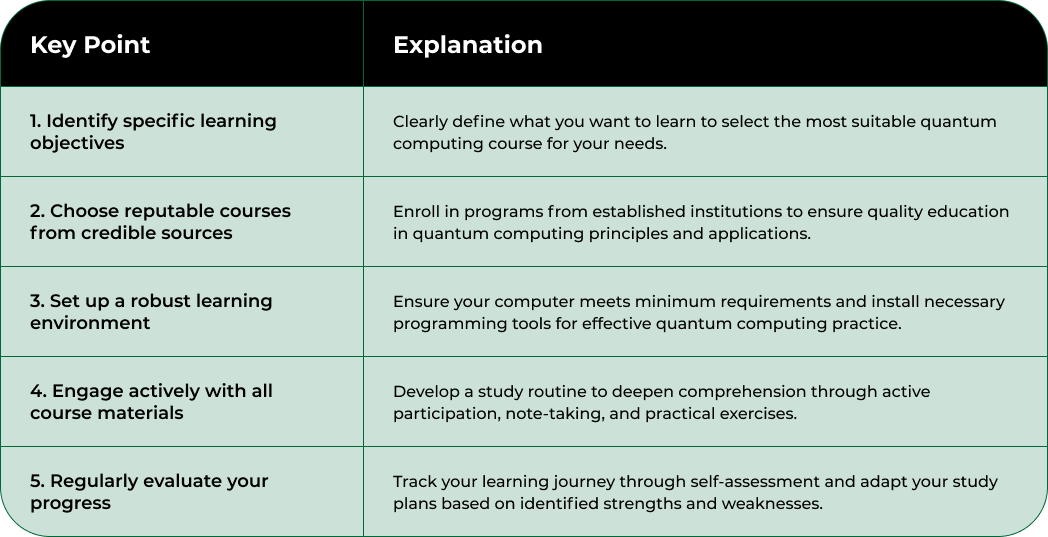
Before diving into an online quantum computing course, understanding your specific learning objectives is crucial for selecting the right program and maximizing your educational experience. Learning objectives act as a strategic roadmap, helping you navigate the complex landscape of quantum computing education with precision and purpose.
Quantum computing encompasses multiple skill levels and specializations, from foundational theoretical understanding to advanced algorithmic design and practical implementation. Your learning objectives will determine the most appropriate course and learning path. Consider whether you aim to gain a theoretical background, develop practical quantum programming skills, or prepare for advanced research and professional applications.
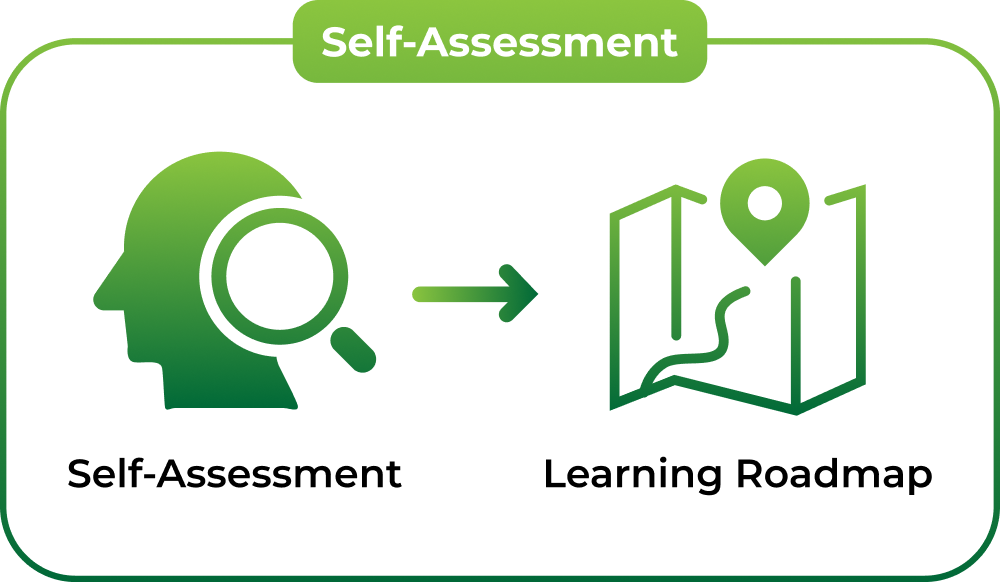
Start by conducting a thorough self-assessment of your current knowledge base. Are you a computer science professional seeking to expand your technological expertise? A researcher interested in quantum mechanics fundamentals? A software engineer wanting to learn quantum algorithm development? Each profile requires a different approach to learning quantum computing.
According to research from arXiv, learners should carefully distinguish between three primary learning domains: fundamental conceptual understanding, quantum device programming capabilities, and quantum algorithm design skills. This nuanced approach ensures you choose a course that precisely matches your professional goals and existing technical background.
To crystallize your objectives, ask yourself targeted questions: What specific quantum computing skills do I want to acquire? Do I need theoretical knowledge or hands-on programming experience? Am I interested in quantum machine learning, quantum cryptography, or quantum simulation? Your answers will guide you toward courses that offer the most relevant curriculum for your aspirations.
Consider creating a detailed personal learning roadmap that outlines your quantum computing education milestones. Map out short-term and long-term learning goals, identifying the specific competencies you want to develop. This strategic approach transforms your online learning journey from a generic experience into a personalized, goal-oriented progression.
Successful learners recognize that identifying learning objectives is not a one-time task but an ongoing process of refinement. As you explore quantum computing, remain flexible and open to adjusting your goals based on new insights and emerging technological trends. Your initial objectives will serve as a compass, guiding you through the fascinating world of quantum computing education.
Selecting the right online quantum computing course is a critical step that can make or break your learning journey. Not all courses are created equal, and your choice will significantly impact your understanding and skill development in this complex technological domain.
Reputation and credibility are paramount when evaluating quantum computing educational programs. Look for courses offered by established academic institutions, renowned research centers, or recognized technology companies with proven expertise in quantum technologies. Universities like MIT, Stanford, and quantum research centers have developed comprehensive online courses that provide rigorous and cutting-edge quantum computing education.
According to research from Nature Reviews Physics, the quality of your quantum computing education hinges on selecting courses that blend theoretical foundations with practical implementation. Investigate the course curriculum thoroughly, ensuring it covers core quantum mechanics principles, quantum algorithm design, programming frameworks like Qiskit or Cirq, and practical applications across different computational domains.
Consider the instructor’s credentials and professional background. Ideal courses are taught by quantum computing researchers, industry practitioners, or academic experts who bring real-world experience and current technological insights. Look for instructors with published research, industry recognition, or direct experience in quantum computing development and implementation.
Evaluate the course structure and learning resources comprehensively. High-quality online quantum computing courses should offer a mix of video lectures, interactive coding assignments, theoretical modules, and hands-on quantum programming exercises. Some advanced courses provide access to actual quantum computing platforms, allowing you to run experiments on real quantum hardware or sophisticated quantum simulators.
Pay close attention to the course’s technical requirements and prerequisites. Quantum computing courses often demand a solid background in linear algebra, complex numbers, probability theory, and basic programming skills. Ensure you meet the recommended skill levels to maximize your learning potential and avoid feeling overwhelmed by advanced technical content.
Financial investment and time commitment are also crucial considerations. Compare course prices, duration, and certification options. Some platforms offer individual course purchases, while others provide subscription-based learning with multiple quantum computing modules. Verify whether the course provides a recognized certificate upon completion, which can be valuable for professional development and demonstrating your quantum computing expertise.
Lastly, read student reviews and testimonials from previous course participants. These firsthand accounts can provide insights into the course’s actual learning experience, instructor quality, and practical value. A reputable course will have positive feedback from learners who have successfully applied their quantum computing knowledge in real-world scenarios.
Preparing your technological workspace is a fundamental step in your quantum computing learning journey. Your learning environment will serve as the digital laboratory where theoretical knowledge transforms into practical skills, making its configuration critically important for successful quantum computing education.
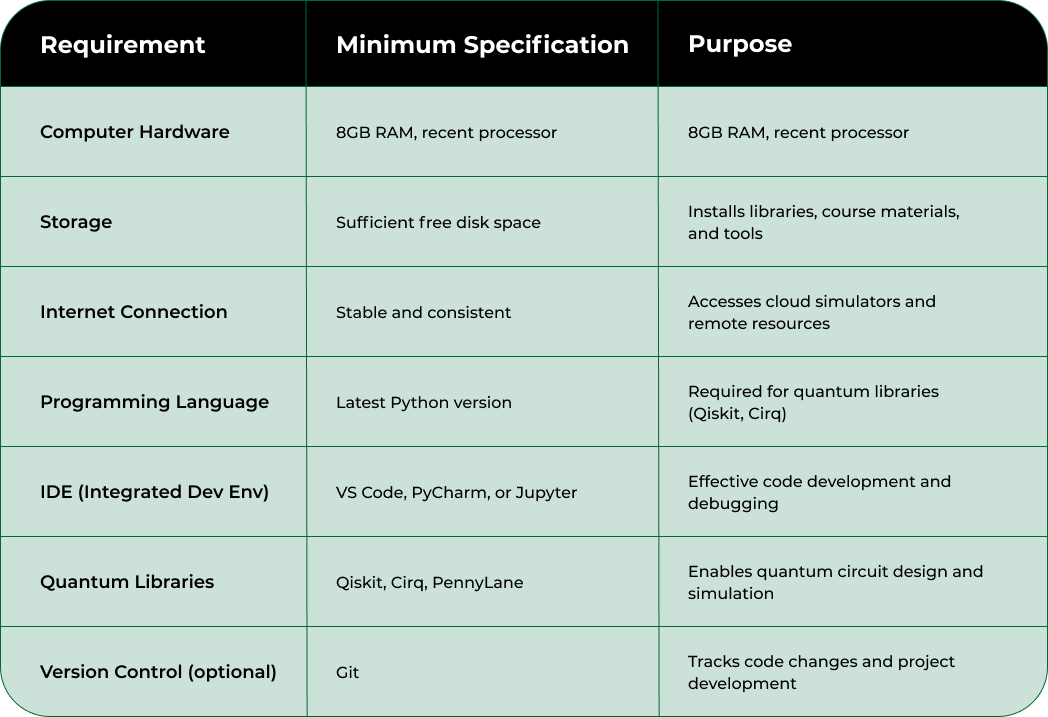
A robust computing setup is essential for quantum programming and simulation. Start by ensuring your computer meets the minimum technical requirements for quantum computing courses. Most quantum programming platforms require a modern computer with at least 8GB of RAM, a recent processor, and sufficient storage space. While quantum computing can be computationally intensive, many introductory courses are designed to run on standard personal computers.
Python emerges as the primary programming language for quantum computing, so installing a comprehensive Python development environment becomes your first technical milestone. Download and install the latest Python version from the official Python website, prioritizing compatibility with quantum computing libraries like Qiskit, Cirq, or PennyLane. Integrated Development Environments (IDEs) such as Visual Studio Code or PyCharm provide robust platforms for quantum programming, offering advanced code completion and debugging features.
According to Qiskit’s official documentation, setting up your quantum computing environment involves installing specific libraries and tools. Use pip, Python’s package manager, to install quantum computing frameworks. A typical installation might include commands like “pip install qiskit” to download the necessary quantum computing libraries. Jupyter Notebooks are particularly useful, allowing you to create and share documents containing live code, equations, visualizations, and narrative text.
Secure a stable internet connection, as many quantum computing courses involve cloud-based quantum simulators and remote computational resources. Some advanced courses provide direct access to quantum hardware through cloud platforms, which require consistent and reliable internet connectivity. Consider upgrading your internet plan if you experience frequent interruptions or slow download speeds.
Back up your system and create a dedicated project folder for your quantum computing coursework. This organizational approach helps manage course materials, code repositories, and simulation results systematically. Consider using version control systems like Git to track your programming progress and experiments.
Verify your learning environment’s functionality by running a simple quantum circuit simulation. Most quantum computing libraries include test scripts that confirm proper installation. Successfully executing a basic quantum algorithm signals that your environment is correctly configured and ready for advanced learning.
Below is a table summarizing the core setup requirements for preparing your quantum computing learning environment, with specifications and their primary purposes clearly organized.
Successful quantum computing learning demands active and strategic engagement with course materials. This step transforms passive content consumption into an immersive, interactive educational experience that builds genuine understanding and practical skills.
Deep engagement begins with a systematic approach to course content. Develop a consistent study routine that allocates dedicated time for watching video lectures, reading technical materials, and completing programming assignments. Treat each course module as a critical building block in your quantum computing knowledge framework, approaching materials with curiosity and analytical thinking.
Quantum computing courses typically provide diverse learning resources that require different interaction strategies. Video lectures demand active note-taking, highlighting key concepts, mathematical formulas, and computational techniques. Pause and replay complex sections, creating personal summaries that distill complicated quantum mechanics principles into digestible insights. Handwritten notes can be particularly effective for capturing nuanced theoretical concepts.
According to research examining interactive learning environments, simulations and interactive elements are crucial for understanding quantum computing principles. Embrace every opportunity to run quantum circuit simulations, experiment with quantum algorithms, and test computational scenarios provided in your course. These hands-on activities transform abstract theoretical knowledge into tangible programming skills.
Active participation in course discussion forums and community platforms can significantly enhance your learning experience. Engage with fellow students, ask questions about challenging concepts, share your code implementations, and collaborate on problem-solving. These interactions provide multiple perspectives, expose you to different problem-solving approaches, and help demystify complex quantum computing topics.
Programming assignments represent your primary mechanism for skill development. Approach coding challenges systematically: first understand the theoretical requirements, then design your quantum circuit, implement the code, run simulations, and critically analyze the results. Do not simply aim to complete assignments, but seek to understand the underlying quantum computational principles driving each task.
Establish a personal project tracker to monitor your progress through course modules. Record completed lectures, track assignment scores, and document your evolving understanding of quantum computing concepts. This reflective practice helps identify knowledge gaps and maintains your motivational momentum.
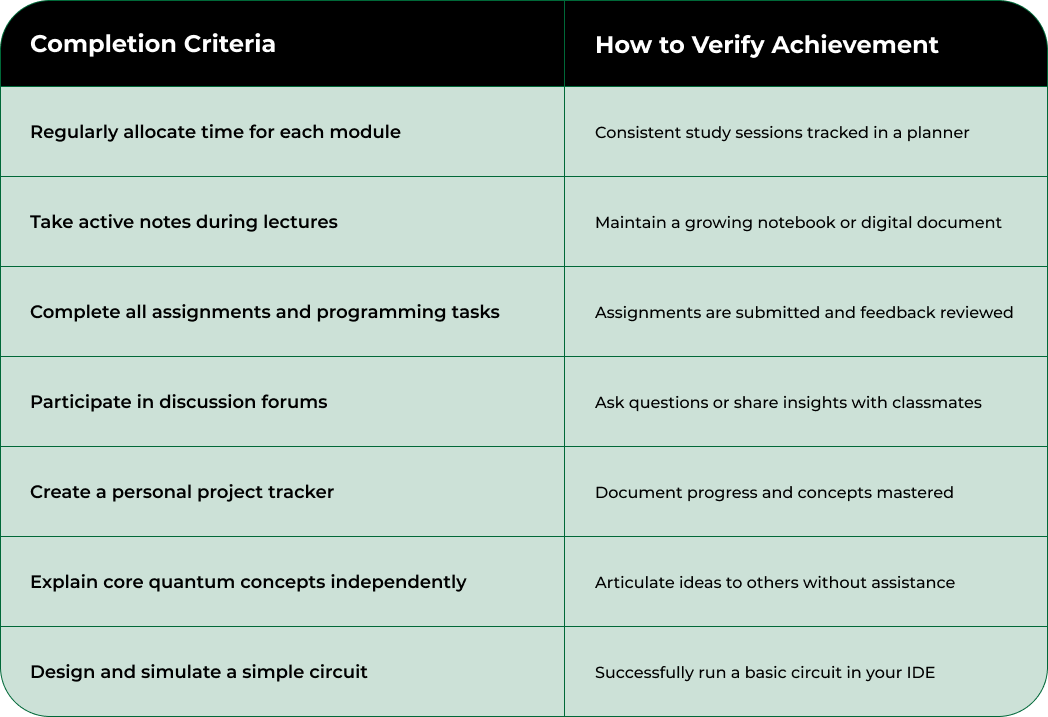
Verify your engagement by consistently demonstrating improved comprehension. Can you explain quantum superposition to a friend? Can you independently design and simulate a simple quantum circuit? These practical benchmarks indicate that you are not just consuming course content, but truly internalizing quantum computing knowledge.
This table provides a checklist for verifying your ongoing engagement and progress in a quantum computing course, helping ensure essential steps and outcomes are systematically addressed.
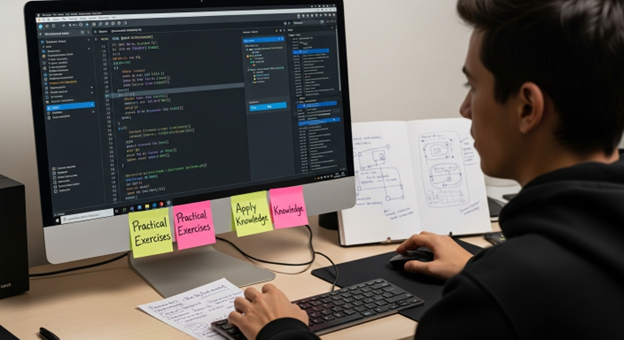
Transforming theoretical quantum computing knowledge into practical skills requires deliberate and structured practice. Practical exercises are the bridge between conceptual understanding and real-world quantum computational capabilities, enabling you to internalize complex quantum mechanics principles through hands-on experience.
Quantum programming platforms provide essential environments for practical skill development. Tools like IBM Qiskit, Google Cirq, and Microsoft Q# offer comprehensive frameworks for designing, simulating, and executing quantum circuits. Begin by selecting a primary quantum programming library that aligns with your course curriculum and personal learning objectives.
According to MIT xPRO’s quantum computing curriculum, practical exercises should progressively increase in complexity. Start with fundamental quantum circuit construction, implementing basic quantum gates like Hadamard, CNOT, and rotation gates. Practice creating quantum states, performing measurements, and understanding quantum superposition through incremental coding challenges.
Develop a systematic approach to solving quantum programming exercises. Break complex problems into smaller, manageable quantum circuit components. Begin each exercise by clearly defining the quantum computational task, sketching the theoretical circuit design, and then translating your conceptual model into executable code. This methodical process helps build confidence and reinforces your understanding of quantum computational principles.
Leverage cloud-based quantum computing platforms that offer free access to quantum simulators and occasionally real quantum hardware. Platforms like IBM Quantum Experience allow you to run quantum circuits on actual quantum processors, providing invaluable insights into quantum computational limitations and practical implementation challenges. Document your simulation results, compare theoretical expectations with actual outputs, and analyze the quantum computational processes.
Create a personal quantum computing project that goes beyond course assignments. Design a quantum algorithm solving a specific problem, such as implementing Grover’s search algorithm or exploring quantum error correction techniques. Personal projects push you beyond standard curriculum boundaries, encouraging creative problem-solving and deeper technological exploration.
Establish a rigorous practice routine that includes daily or weekly quantum programming exercises. Consistency is key in building quantum computational skills. Set specific goals, such as implementing one new quantum circuit design each week or solving increasingly complex quantum algorithmic challenges. Track your progress, maintain a code repository documenting your quantum computing journey, and reflect on your evolving understanding.
Verify your practical skills by demonstrating the ability to independently design, simulate, and explain quantum circuits. Can you articulate the quantum computational process behind your code? Can you troubleshoot and optimize your quantum algorithms? These benchmarks indicate you are transforming from a quantum computing student to a practitioner.
Mastering quantum computing requires a systematic and honest approach to self-assessment. Progress evaluation is not merely about tracking grades, but understanding your evolving computational capabilities, identifying knowledge gaps, and strategically planning your continued learning journey.
Comprehensive progress assessment involves multiple evaluation dimensions. Begin by creating a detailed learning portfolio that tracks your quantum computing skill development. Document your completed quantum circuit designs, programming assignments, simulation results, and personal project outcomes. This tangible record provides a clear visual representation of your technological growth and serves as a powerful reflective tool.
According to research on student performance assessment, effective progress evaluation combines quantitative metrics with qualitative self-reflection. Develop a structured self-assessment framework that includes both objective measurements like assignment scores and subjective evaluations of your conceptual understanding. Can you explain quantum entanglement intuitively? Do you comprehend the mathematical foundations underlying quantum computational processes?
Utilize the assessment tools provided by your online quantum computing course. Most platforms offer comprehensive performance tracking, including quiz scores, coding exercise evaluations, and comparative analytics that benchmark your progress against course cohort averages. Pay special attention to areas where you consistently struggle, treating these as opportunities for targeted learning and skill enhancement.
Implement a regular self-testing routine that goes beyond course-mandated assessments. Design personal challenge exercises that push the boundaries of your current quantum computing knowledge. Create increasingly complex quantum algorithms, attempt to solve open-ended quantum computational problems, and critically analyze your implementation strategies. These self-directed challenges reveal the depth and adaptability of your emerging quantum computing skills.
Seek external validation of your quantum computing competencies. Consider participating in online quantum computing competitions, contributing to open-source quantum programming projects, or engaging with professional quantum computing forums. These interactions provide real-world context for your learning and expose you to advanced problem-solving approaches used by experienced quantum computing practitioners.
Develop a continuous improvement plan based on your progress evaluations. Identify specific skills that require additional focus, explore advanced quantum computing resources, and set clear, measurable learning objectives for the next phase of your educational journey. Remember that quantum computing is a rapidly evolving field, and your learning process should remain dynamic and adaptable.
Verify your mastery by demonstrating the ability to independently design, implement, and explain quantum computational solutions. Can you confidently discuss quantum mechanics principles? Can you translate theoretical concepts into executable quantum circuits? These benchmarks indicate you are transitioning from a student to a quantum computing practitioner.
Mastering online quantum computing courses gives you new skills, but how do you turn those skills into real impact? Many learners face the challenge of moving from theory into practice, especially when it comes to building or scaling the high-performance infrastructure essential for quantum research and AI workloads. Whether you have developed advanced quantum programs or need to run cutting-edge simulations, the right hardware is your next step. Do not let a lack of access to GPU servers and HPC systems limit your growth.
Take your learning to the enterprise level by visiting the Blockware Solutions platform. Here, you can quickly source and customize AI-ready systems, purchase verified GPU equipment, or scale existing projects to match your research ambitions. Our transparent online marketplace was created for professionals and organizations in quantum, AI, and research who want fast transactions, real-time inventory, and end-to-end support. Start today at https://nodestream.blockwaresolutions.com and ensure you have the robust infrastructure required to turn quantum computing mastery into mission-critical results.
Defining your learning objectives involves assessing your current knowledge and determining what specific quantum computing skills you want to acquire, such as theoretical knowledge, practical programming, or algorithm design.
Look for courses offered by established academic institutions or recognized technology companies, review the course curriculum, check instructors’ credentials, and read student reviews to ensure the quality and relevance of the course.
Ensure your computer meets minimum technical requirements (at least 8GB RAM and a recent processor), install Python and relevant quantum computing libraries, and secure a stable internet connection for accessing cloud-based resources.
Maintain a learning portfolio to track your completed projects and assessments, develop a self-assessment framework that combines quantitative metrics and qualitative self-reflection, and participate in external validation opportunities like competitions or forums.
AI computing is quietly redrawing the boundaries of crypto, finance, and high-performance computing. Brace yourself. By…

Artificial intelligence is turbocharging the world of finance as never before, shaking up how both…

Digital transformation is about to completely reshape how we use crypto and artificial intelligence in…


